by Denise K. James
Atlanta is a sprawling metropolis with a lot to offer. So how do you decide whether to live in the urban core or the suburbs? It can be a tough choice since both are equally desirable.
First, let’s talk about the urban core of Atlanta. If you ask locals, anything inside the perimeter of Interstate 285—or ITP—counts. Stretching almost 64 miles and connecting to Interstates 75, 85 and 20, the perimeter, as it’s nicknamed, separates the “intown” neighborhoods of Atlanta from the metro suburbs. The former includes neighborhoods such as Midtown, Buckhead, Grant Park, Old Fourth Ward and Decatur, while popular suburban municipalities like Alpharetta, Marietta, Johns Creek, Newnan and McDonough lie outside the perimeter—or OTP. Each city space and suburban neighborhood has its own distinct culture, and the residents all have their reasons for living where they do.
Before narrowing your choice down to a certain neighborhood, it’s useful to decide whether you want to be in the city or the ‘burbs. Things to consider include the type of home you prefer, the job opportunities available, cultural experiences, healthcare options and schools. Ready to hear more? Let’s take a “drive” around the city.
In the City: Everything at Your Fingertips
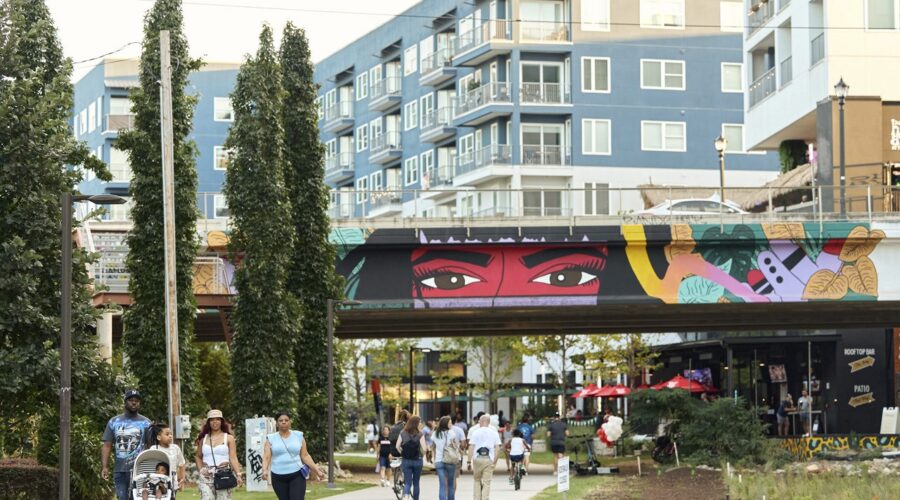
If you’re moving to Atlanta for city life, then you’re in luck. The urban core of metro Atlanta has all of the cultural touchpoints you’d expect to find in an area with half a million people. Of course, as it’s known as the City in the Forest, you also get access to beautiful green spaces that make you feel like you can get away from it all in the heart of the city. Now it’s time to take a closer look.
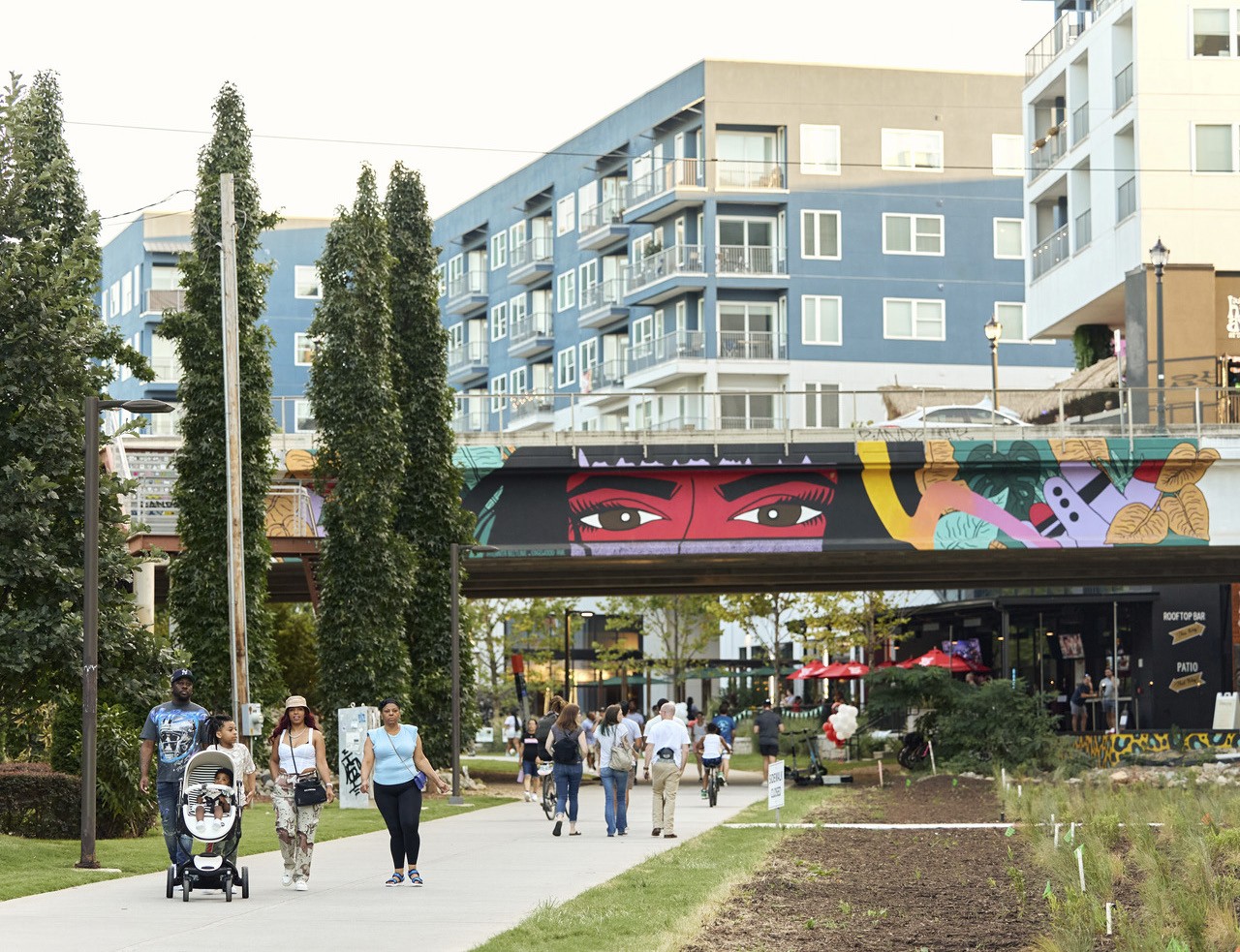
- Residential offerings in the heart of Atlanta run the gamut. Go ahead and banish thoughts of studio apartments as the only option. There are plenty of those, yes, but intown neighborhoods feature everything from spacious apartments and townhomes to single-family homes. For a more compact setting where you’re likely to meet the neighbors, try a condo high-rise apartment in Midtown, where you can walk almost anywhere. Atlantic Station, a popular walkable mixed-use development bordering Midtown that features an array of lofts, flats and apartments, launched in 2005 and paved the way for other mixed-used developments, such as Centennial Yards. Residents who pine for a single-family home but still want to walk to most errands can try nearby Old Fourth Ward and Virginia Highland. On the east side of the city, neighborhoods like Grant Park, Decatur and Candler Park are popular with families, while Buckhead offers smaller, attractive communities like Peachtree Hills, Brookhaven and Chastain Park.
- These urban core neighborhoods attract residents for their proximity to various city amenities. Atlanta’s park system includes more than 500 green spaces, from large parks like Piedmont, Westside and Freedom Park to smaller pockets like Esther Peachy Lefevre and Ardmore, allowing most residents to be within a quick stroll to pockets of nature. For a more “social” way to exercise, the Atlanta Beltline, a 22-mile loop circling the city, is a great place for a walk or bike ride and offers proximity to restaurants, bars and hotspots.
Most urbanites in the ATL also are within a walk, short drive or MARTA ride to museums, family-friendly attractions and venues for music, sports and various performances. Highlights include Mercedes-Benz Stadium, the Fox Theatre, the Woodruff Arts Center, the Center for Puppetry Arts, the Atlanta History Center, Zoo Atlanta, the Georgia Aquarium, the Atlanta Botanical Garden, the College Football Hall of Fame and many others.
- As for job opportunities, residents of the urban core have their pick of most any industry, from healthcare and technology to real estate and entertainment. Sizable employers in the area include Delta Air Lines, Publix, Coca-Cola and Home Depot. For those who work in technology, Midtown and Buckhead offer proximity to firms like Microsoft, Google, Salesforce, Mailchimp (Intuit), Calendly and others. In addition, the city is home to scores of arts organizations and nonprofits, as well as film and television projects.
- Access to healthcare is no problem inside the perimeter, the major hospital systems are scattered throughout (with many extending to the suburbs). Well-known names include major healthcare facilities such as Emory University Hospital, Grady Memorial Hospital, Piedmont Hospital, Northside Hospital, and the Shepherd Center for Rehabilitation.
- Education options, as well, are plentiful in the urban core. Top-ranked public schools include Midtown and Decatur High School, Springdale Park and Morningside Elementary, among others, while a number of private schools in the city—such as Pace Academy, The Paideia School, Woodward Academy and others—are known for progressive, student-focused learning. As for higher education, the urban core hosts the Georgia Institute of Technology, Georgia State University, Agnes Scott College, Spelman College, Emory University and Atlanta Technical College.
Atlanta Suburbs: Room to Breathe
Here’s what’s interesting about Atlanta: the suburbs are part of the city’s identity more than you’d expect. It’s a wide, welcoming metro from Cumming to Cabbagetown, so if the suburbs are more your speed, take heart— you’re still an Atlantan. Here’s what you’ll find.
- Home styles in the suburbs are just as varied as they are in the urban core, with even more opportunities for traditional neighborhoods and access to nature. Many couples and families choose suburban areas for the spacious residences with bigger yards, and areas OTP do not disappoint; suburban locales throughout the metro offer a diverse mix of residential options, from ranch-style homes to modern new construction. Even those with an itch for city living can find the best of both worlds in mixed-use communities like Avalon in Alpharetta and Hillrose Market in Roswell.
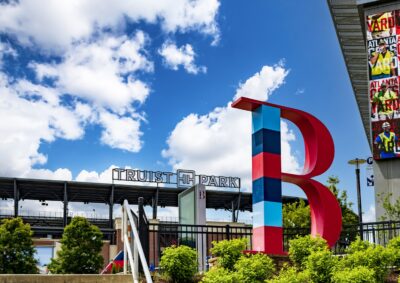
- When it comes to city-like amenities, cultural opportunities abound in the metro Atlanta suburbs. In fact, many residents don’t even feel the need to travel ITP to enjoy everything from restaurants and shopping to museums and theaters. For instance, Cobb County is home to Truist Park and The Battery, while Ameris Bank Amphitheater in Alpharetta attracts a variety of high-profile performers. Beyond entertainment, outside-the-perimeter attractions include the Tellus Science Museum, the Chattahoochee Nature Center and much more.
- Metro Atlanta’s suburbs offer a broad range of career opportunities, with areas like Alpharetta and Roswell being major hubs for technology, finance and innovation. Sandy Springs attracts corporate, healthcare and legal jobs, while Cobb County hosts regional offices and employers in manufacturing, logistics and business services. In areas like Forsyth and Gwinnett counties, healthcare, manufacturing, and administrative roles are growing as well.
- Obviously, Atlanta has great healthcare across the metro, and the suburbs are no exception. The same major hospital systems—Emory, Northside, Wellstar and Piedmont, among others—that can be found intown have ensured that suburban patients have access to the same outstanding medical care with hospitals, urgent care facilities, specialty centers and primary care physicians located in communities throughout the area.
- What about education? In 2026, top-ranked public schools include those in Forsyth, Cobb and Fayette Counties, as well as the cities of Buford and Decatur. Plenty of private institutions are peppered throughout the suburbs as well, and higher education options range from four-year institutions like Kennesaw State University to career colleges like Gwinnett Technical College in Lawrenceville.